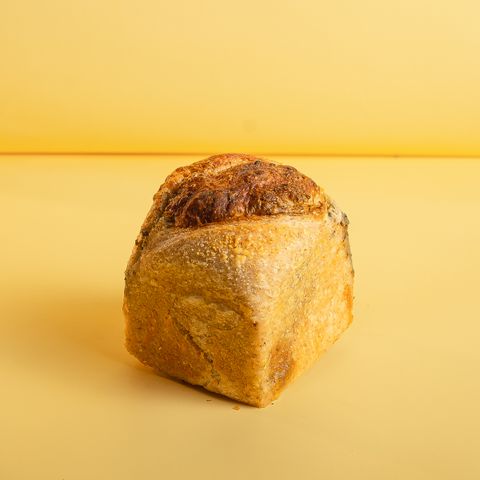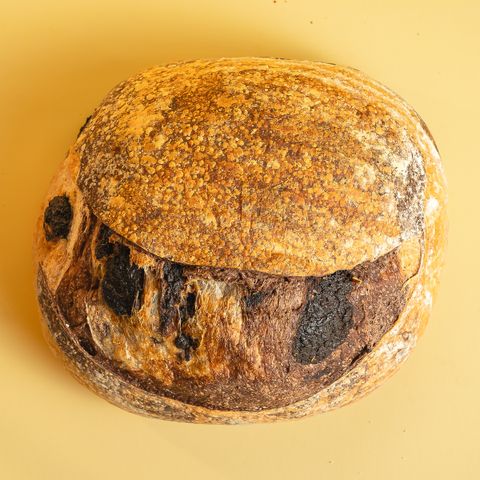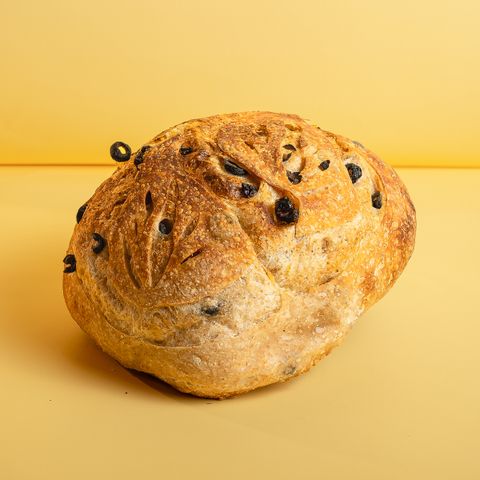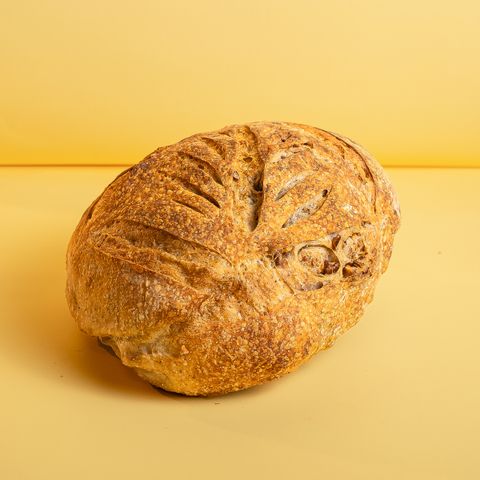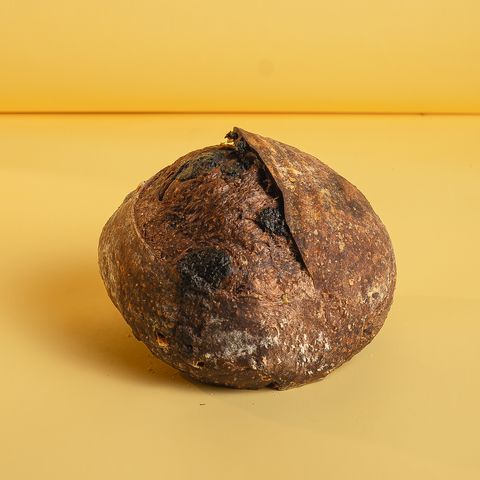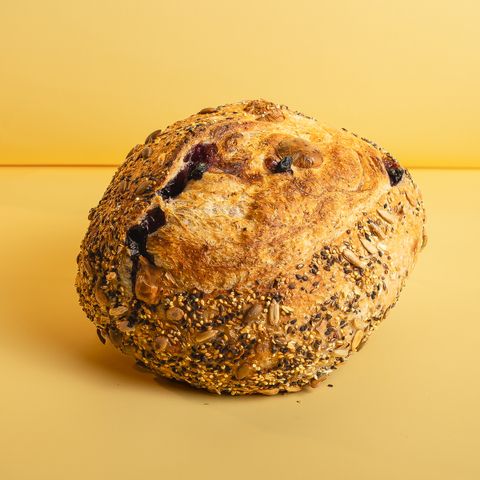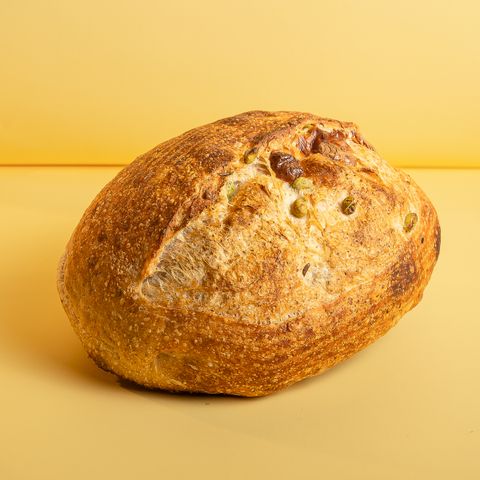

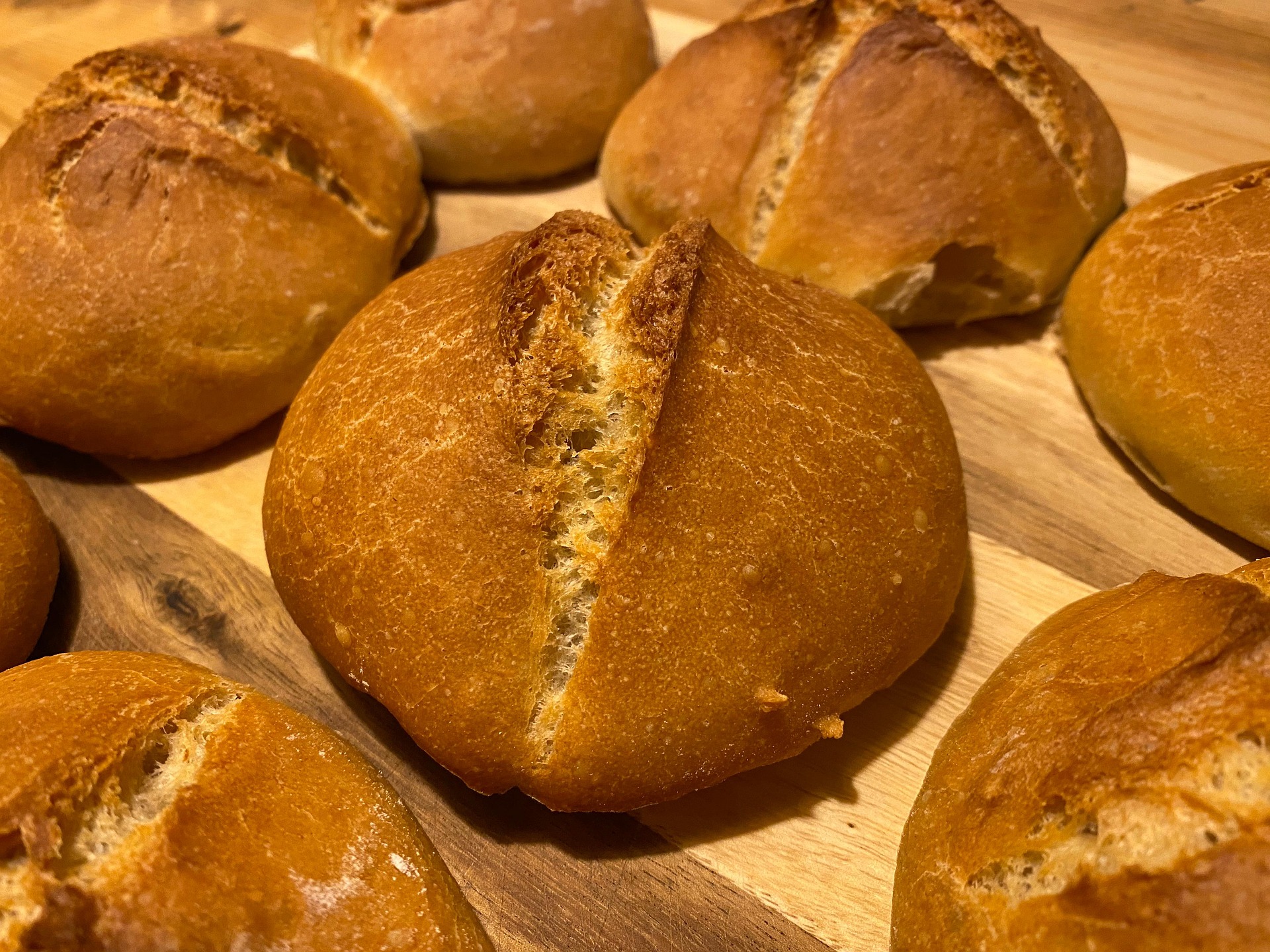
Walk into a bakery and you will find many types of bread. White bread, wholemeal, multigrain, brioche and sourdough may all look familiar, but they are made quite differently.
So, what makes sourdough different from regular bread?
The answer starts with fermentation.
What is sourdough?
Sourdough is bread made using a naturally fermented starter, rather than relying only on commercial baker's yeast for fermentation.
A sourdough starter is a living culture of flour and water containing naturally occurring yeasts and lactic acid bacteria.
When the starter is added to the dough, fermentation takes place over time. This process helps develop the flavour, aroma and texture that sourdough is known for.
At The Starter Cafe, our sourdough is naturally fermented for over 24 hours before it is baked.
Why does sourdough taste different?
One of the most noticeable differences is flavour.
Regular bread can have a relatively mild and straightforward taste. Sourdough can have more depth, with flavours ranging from gently tangy to distinctly sour depending on the fermentation process and recipe.
The crust can also develop a deeper flavour during baking, while the inside can have a more distinctive chewy texture.
This is why sourdough is not simply another type of bread. For many people, it becomes a different way of enjoying bread.
Is sourdough always sour?
Not necessarily.
The word "sourdough" can make people expect a very sharp or sour flavour, but sourdough can actually range from mild to noticeably tangy.
Factors such as the starter, fermentation time, flour, hydration and baking process can all influence the final flavour.
If you are new to sourdough, you may want to begin with a more approachable loaf before trying something with a stronger sour profile.
Sourdough and fermentation
Fermentation is one of the defining characteristics of sourdough.
Unlike bread made using a fast-rising process, naturally fermented sourdough needs time.
At The Starter Cafe, our dough is fermented for more than 24 hours. This slower process is part of what gives our bread its distinctive character.
It also explains why sourdough cannot simply be produced whenever an order comes in.
Our loaves are baked in limited batches, which is why we recommend customers plan their orders ahead.
Is sourdough healthier than regular bread?
This is where things can become complicated.
Sourdough is often described as a healthier alternative to regular bread, but there is no single answer that applies to every loaf.
The nutritional profile depends on the ingredients used, including the type of flour, seeds, grains and other additions.
Fermentation can change some properties of the bread, but choosing a bread should ultimately come down to your individual dietary needs, preferences and overall eating pattern.
So rather than asking whether sourdough is automatically "healthier", it may be more useful to ask:
"What kind of sourdough suits me?"
Which sourdough should you try?
There is no need to start with the most adventurous flavour.
If you prefer something simple, a Country loaf can be a good introduction to naturally fermented sourdough.
If you enjoy a stronger flavour, Extra Sour may be more suitable.
Rye offers a different character, while flavoured and topped loaves provide something more distinctive.
The best loaf is ultimately the one you enjoy eating.
Why give sourdough a try?
Perhaps you enjoy discovering how food is made.
Perhaps you want bread with more flavour and texture.
Or perhaps you simply want to try something different from your usual loaf.
Whatever brings you to sourdough, the best way to understand it is to taste it for yourself.
At The Starter Cafe, every loaf is naturally fermented for over 24 hours and handcrafted in limited batches.
Discover your next loaf
Explore our sourdough selection online and find a loaf that suits your taste.
Choose your preferred flavour, select whole or sliced, and plan your collection or delivery date.